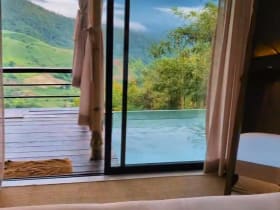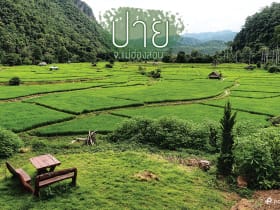

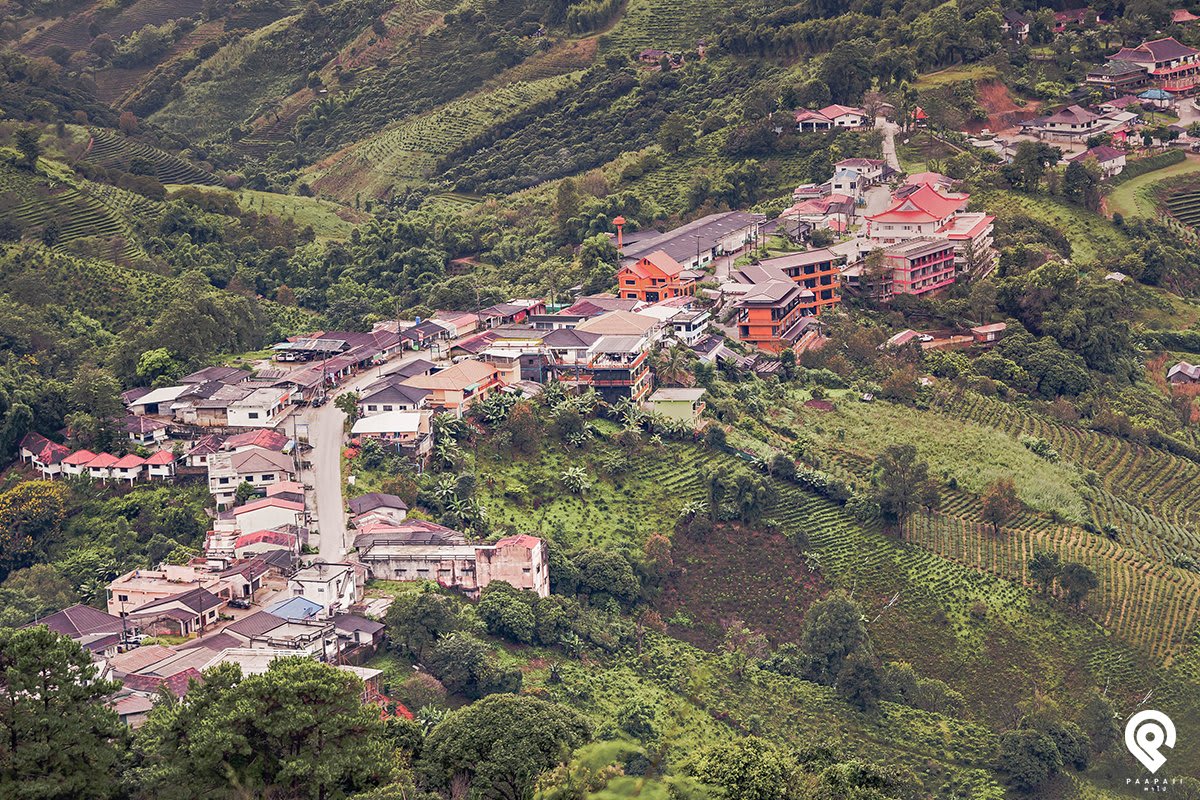
This trip was in November 2019, so prices and opening hours may have changed. We rechecked the main facts in November 2026 and say at each stop what could be confirmed and what you should still check before you go. Doi Mae Salong is in Mae Fah Luang district, Chiang Rai. Santikhiri village is a Yunnanese Chinese community whose main crop is oolong tea. We went for 2 days and 1 night at the start of the cool season: cold all day, with a sea of mist in the morning. (Photos and story from the PaaPaii.com team's trip in November 2019.)
At a glance
| Item | Details |
|---|---|
| When we went | November 2019 (2 days 1 night) |
| Distance from Bangkok | about 830 km; roughly 11–12 hours of non-stop driving (estimate) |
| Route | Chiang Rai, Mae Chan, then up the mountain to Mae Salong |
| Best season | November to February (cool, mist most frequent) |
| Main stops on this trip | Tea Plantation 101, the memorial museum for the former Chinese Nationalist soldiers, General Tuan's tomb, Phra Borommathat chedi |
| Entry fees | Chedi is free; check the other sites before you go |
| Opening times | mostly reported as 08:00–17:00; chedi 06:00–17:00 (check again before you go) |
Getting to Mae Salong
Bangkok to Chiang Rai is about 772 km by road, roughly 10 hours 40 minutes without stops. Chiang Rai city to Mae Salong is another 60 km, about an hour. That makes about 830 km in total. The original trip notes say 870 km, which may depend on the route.
Current guides suggest Highway 1 north from Chiang Rai to Mae Chan, then the signposted mountain road to Mae Salong. The last stretch is very twisty. On our trip we followed GPS via Mae Sai, turned toward Fang and then went up the hill. If you take that route, check it on a map before you leave.
If you fly into Mae Fah Luang–Chiang Rai airport, it is about 90 km and 2 hours by road up to Mae Salong.
Day 1: Santikhiri village and Tea Plantation 101
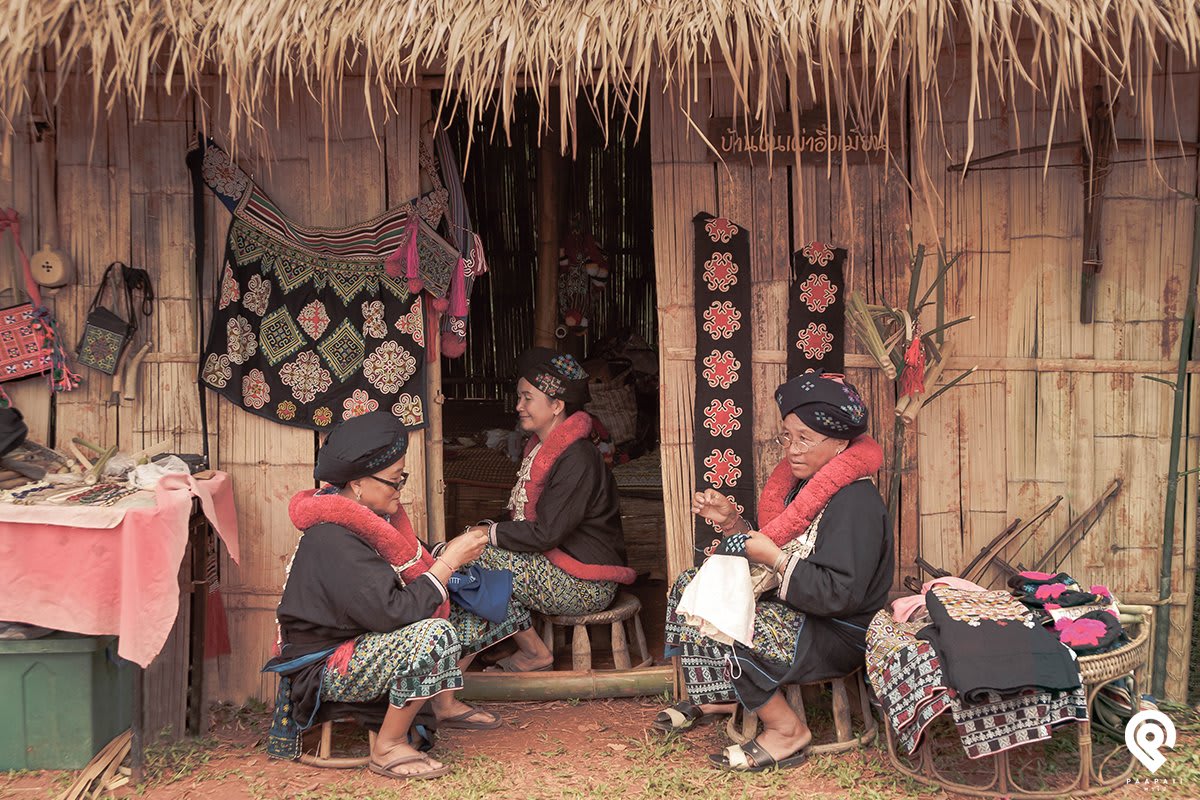
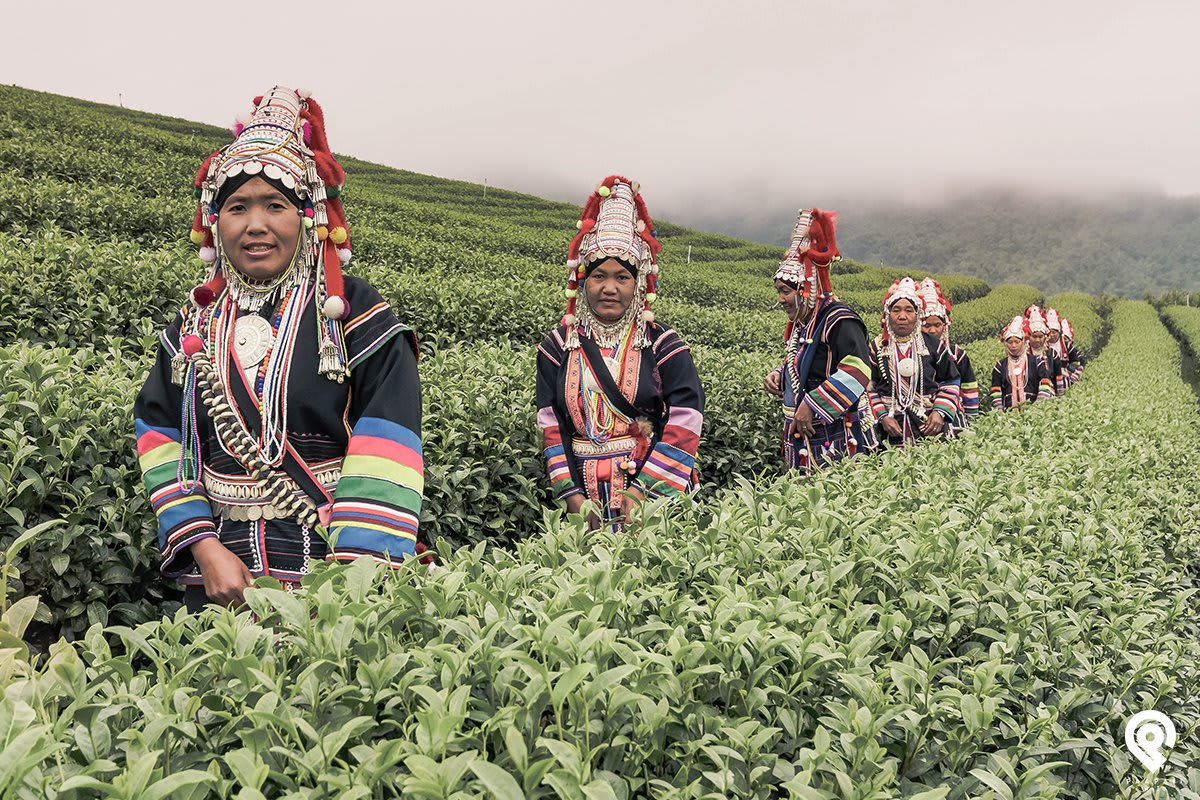
The first thing we noticed on arrival was everyday village life. Some people sat sewing, some had just come down from picking tea, and cool air blew all the time.
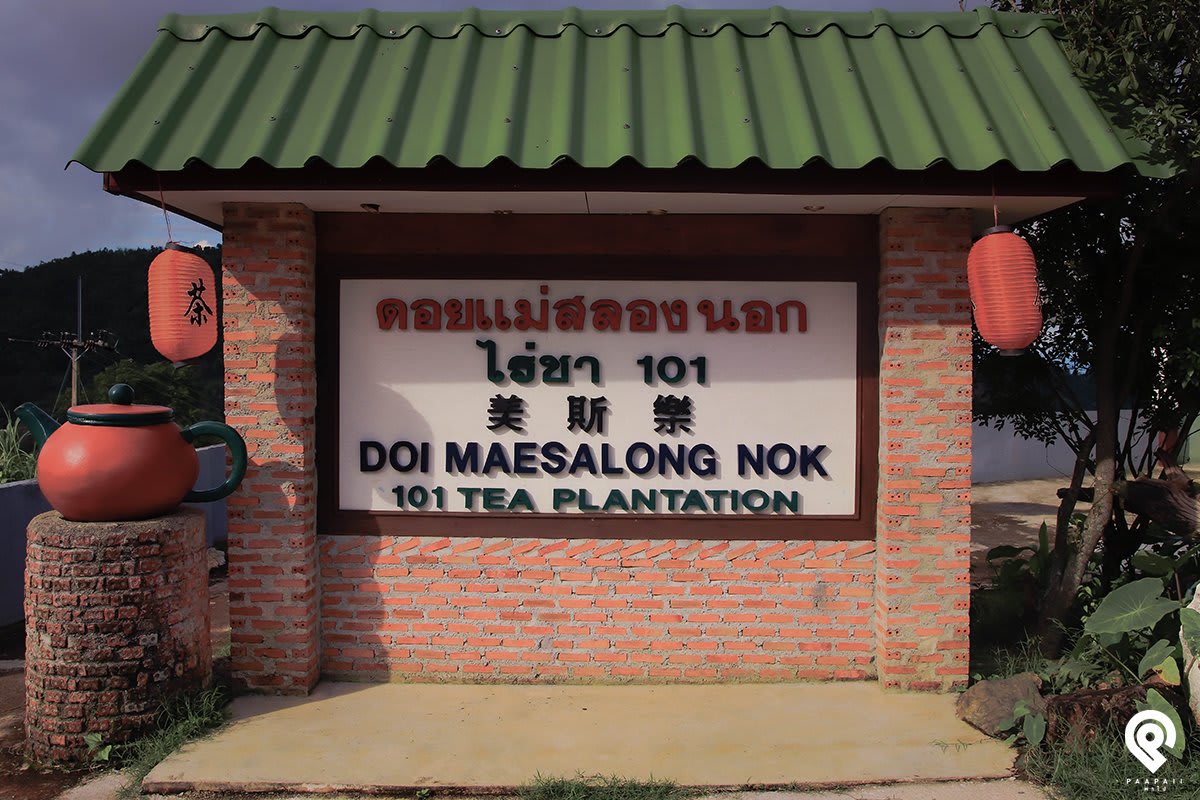
After dropping our bags at the hotel we went to Tea Plantation 101, also called Wang Phutan. The tea is planted in terraces along the hillside: warm sun, cool wind. The sign at the entrance is in Thai, Chinese and English.
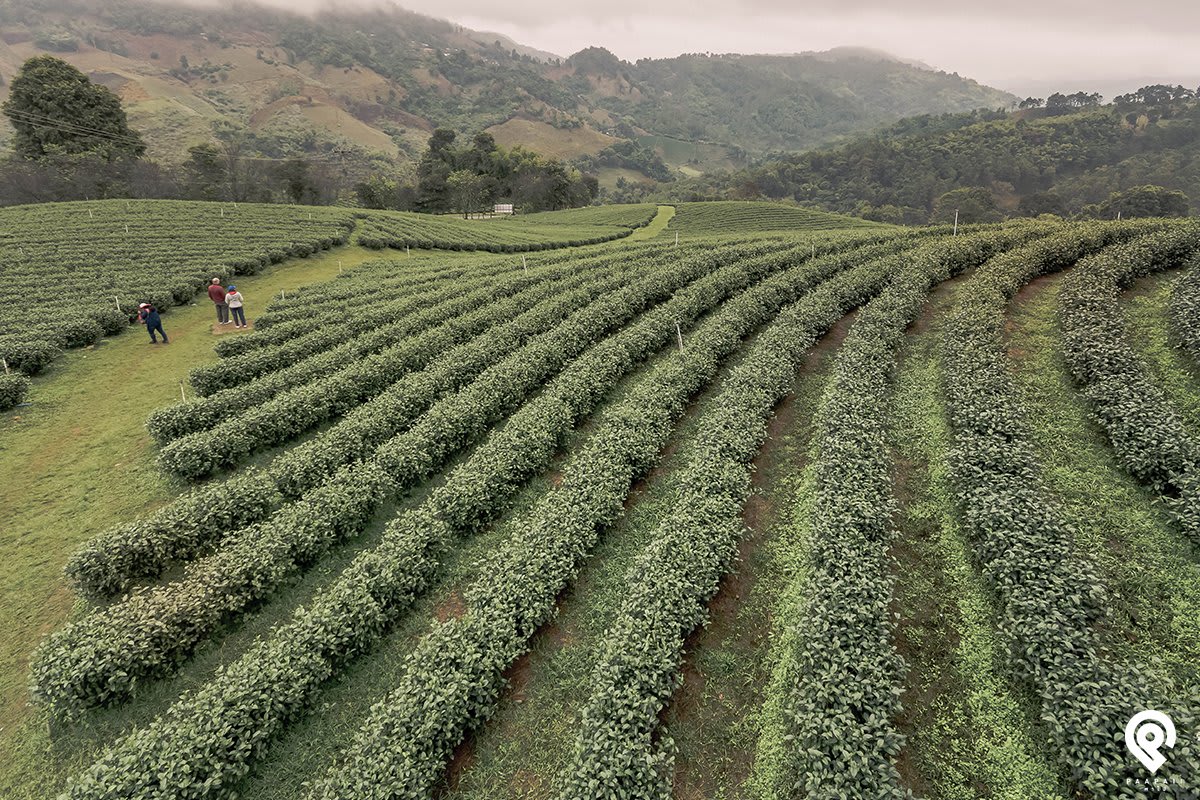
Rows of tea bushes follow the slope, and you can walk and take photos across the whole plot.
We met workers picking tea and asked for one photo.
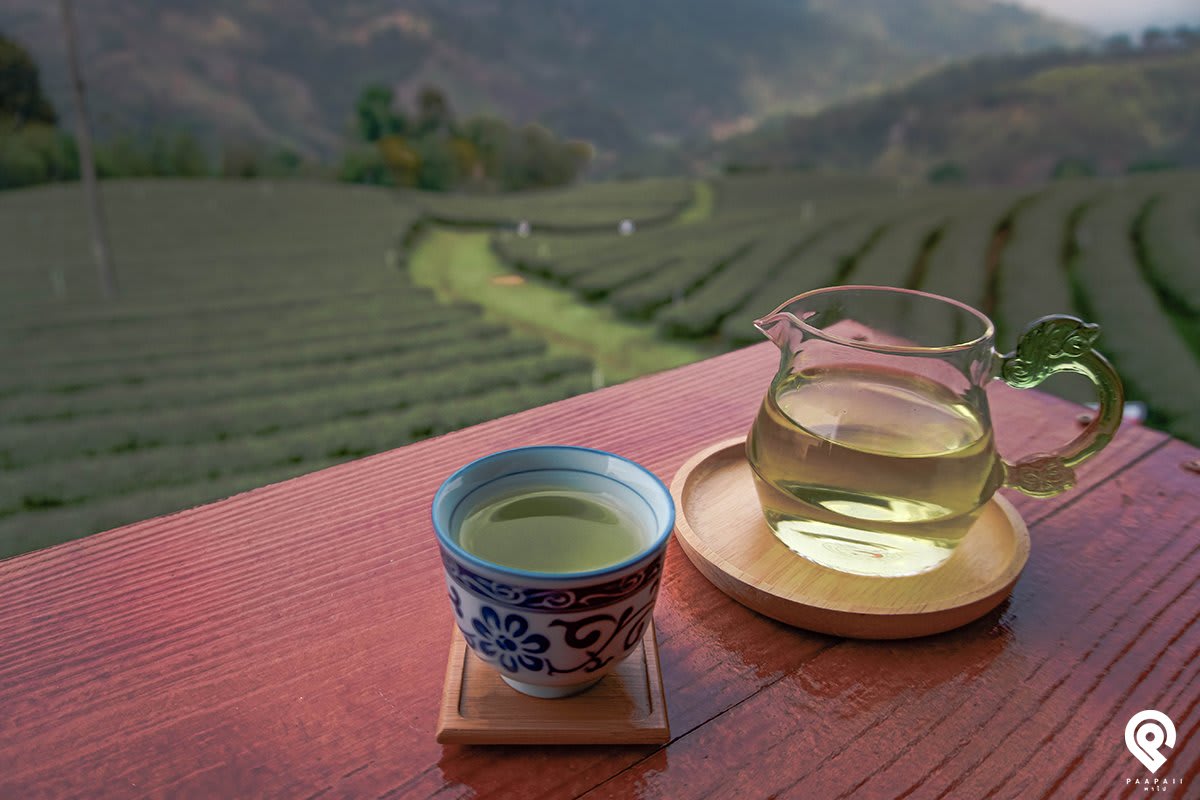
Then a cup of tea at the shop beside the plantation, with the tea field right in front.
TAT and Grab list the plantation as open daily about 08:00–17:00, but other sources show different hours. We could not find a confirmed entry fee. One review says entry is free, with tea and drinks charged at the shop.
The memorial and General Tuan's tomb
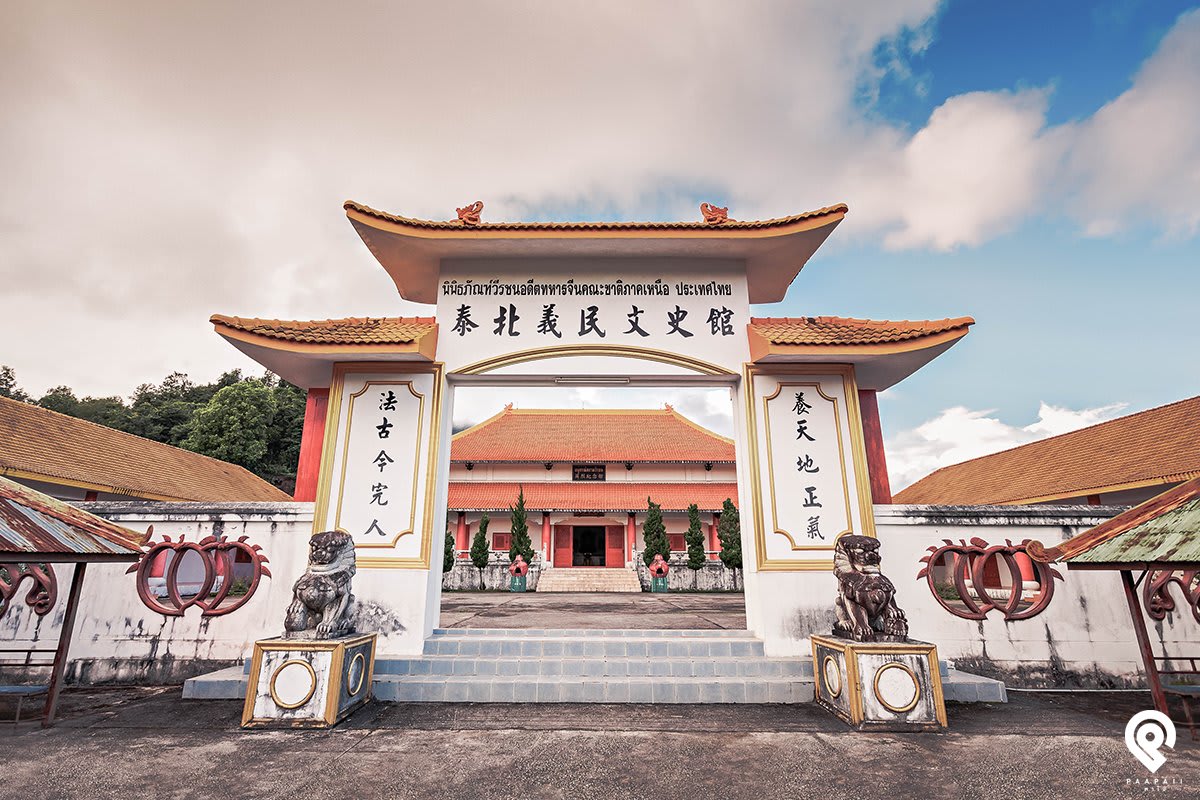
Next we visited the memorial museum for the former Chinese Nationalist soldiers of northern Thailand (the name on the entrance sign). Our original notes say the Kuomintang 93rd Division helped suppress communists in several areas, were granted Thai nationality and stayed on Doi Mae Salong with their families. That is retold from our notes and we have not rechecked it against historical sources.
Then we walked about 1 km up the hill above the village to the tomb of General Tuan Shi-wen, in a large white Chinese-style pavilion. The body is in a marble tomb, and behind it are photos and a written history. It is also a good viewpoint over Santikhiri village.
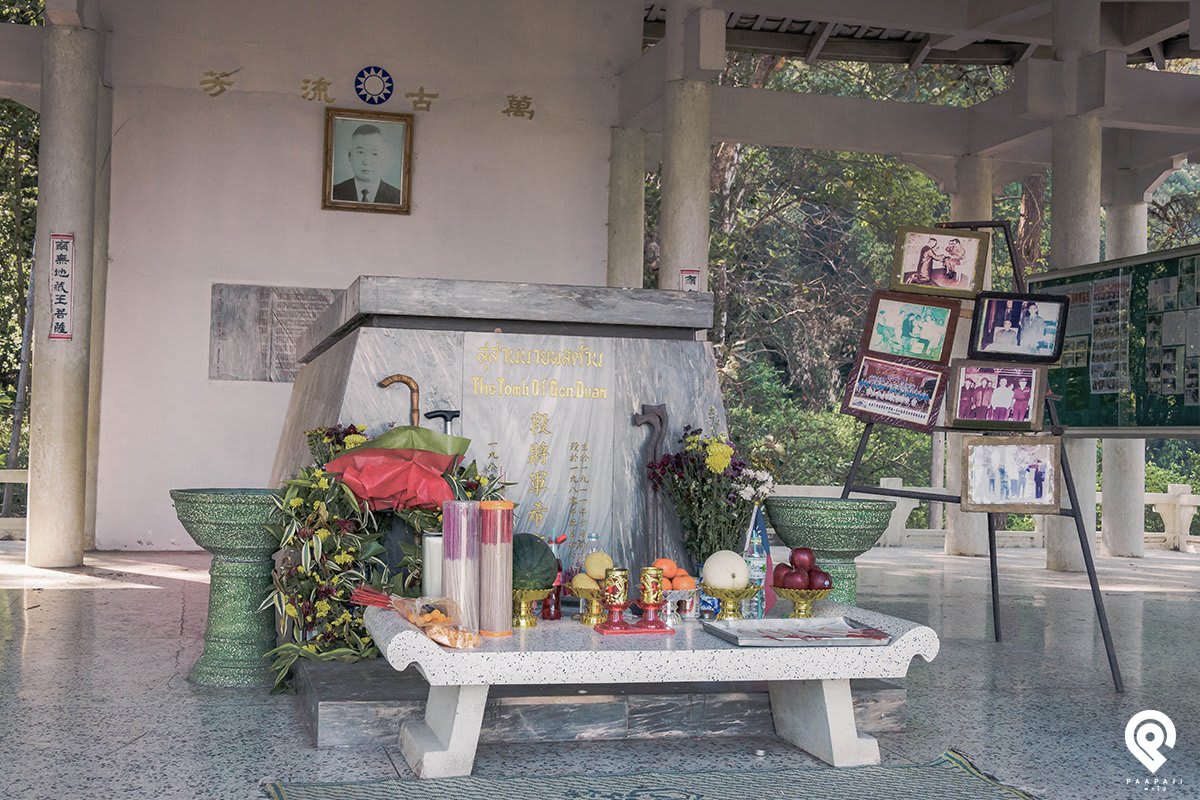
Both the museum and the tomb are reported open about 08:00–17:00. The museum fee is reported at 20–30 baht, and sources disagree. We found no fee information for the tomb.
Lunch
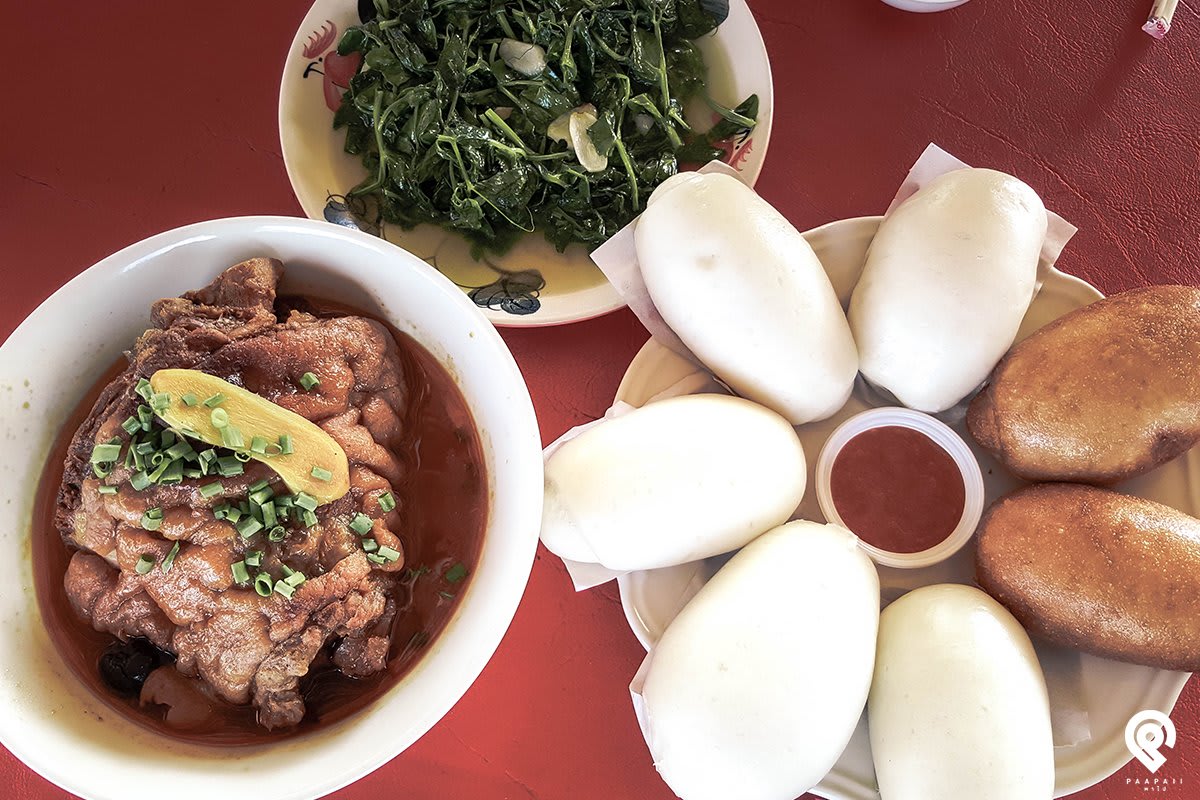
We found a restaurant in the village. People told us you should not leave Mae Salong without trying braised pork leg and mantou, and we agreed. The photo shows braised pork leg, steamed mantou, fried mantou and stir-fried greens. Our notes do not name the restaurant.
The chedi and sunset
After lunch we drove about 4 km from the village to Phra Borommathat Chedi Sri Nakarin Sathit Maha Santikhiri on top of the ridge. It is an applied-Lanna style chedi on a stepped square base, about 30 m tall. It is open daily, roughly 06:00–17:00 (Grab says until 18:00), and free. You can climb by stairs or drive up.
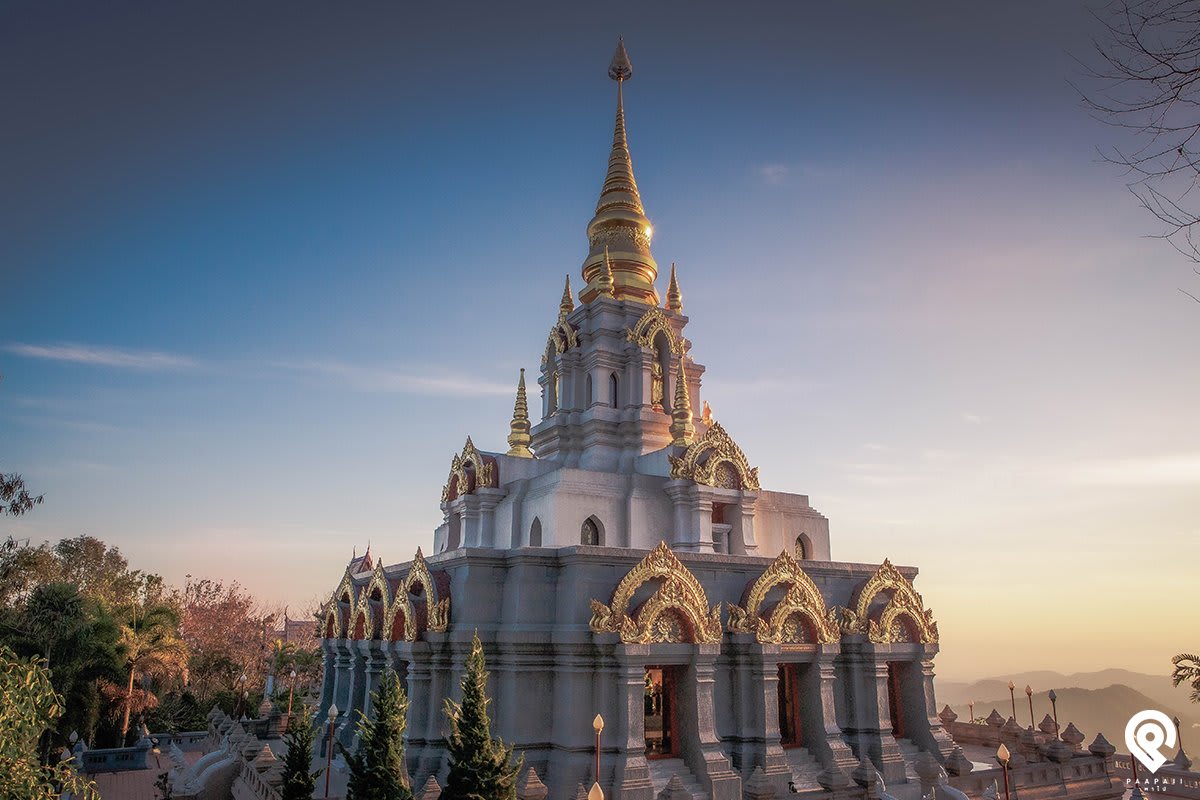
That evening we stayed on the viewpoint to watch the sunset before going back.
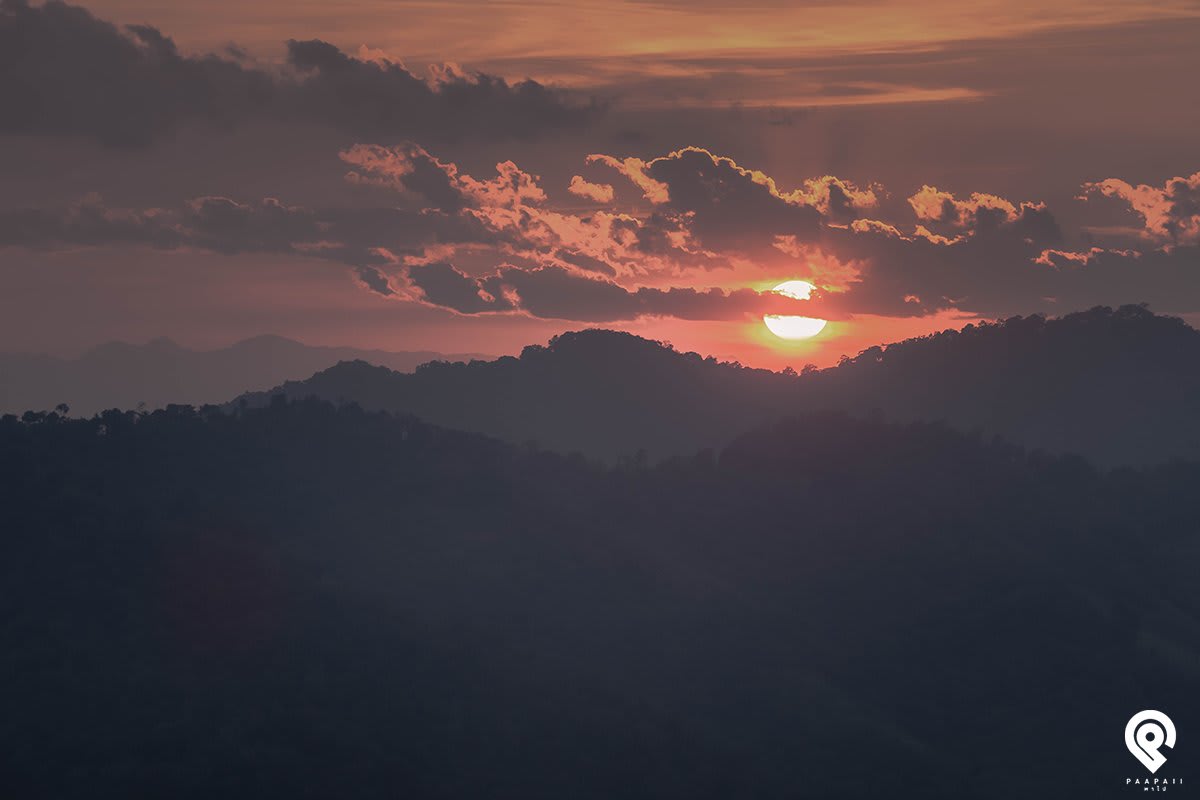
Day 2: sea of mist and flower gardens
Next morning was quite cold. When we stepped outside, the hills were covered in white mist, and we took a lot of photos.
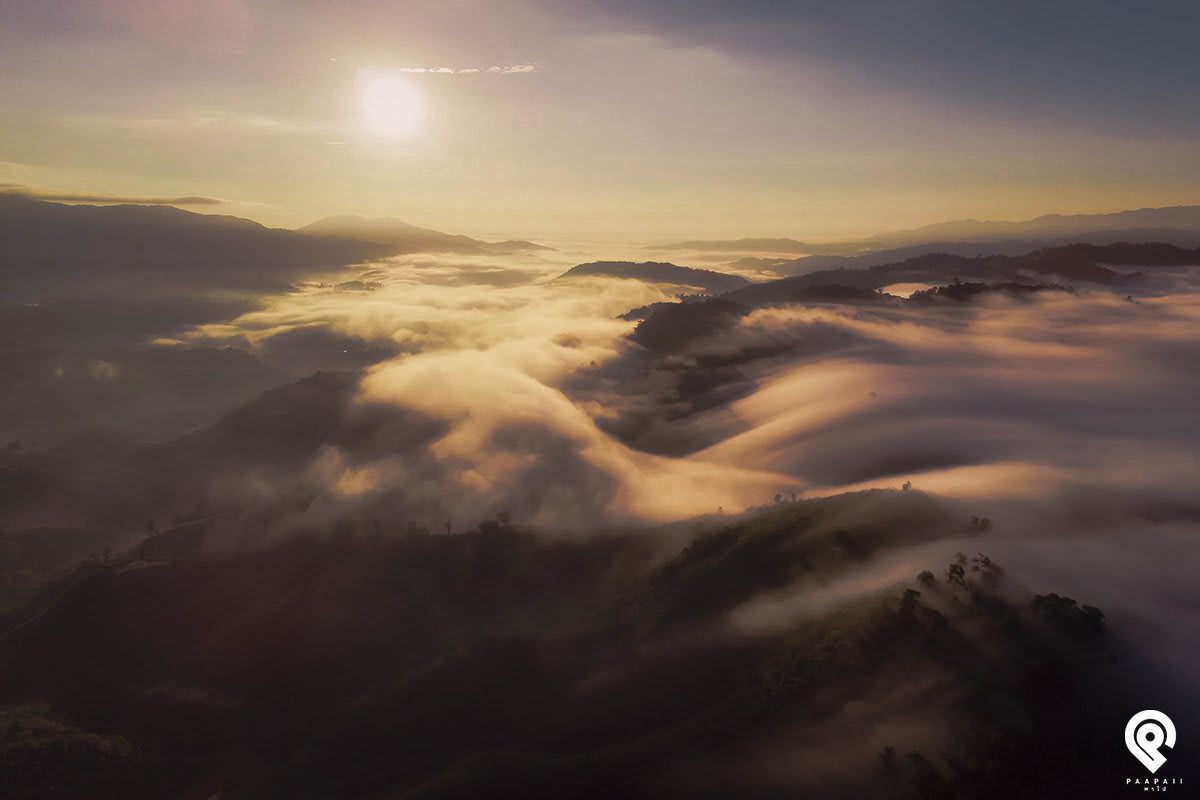
Mist drifts above terraced tea on the hillside.
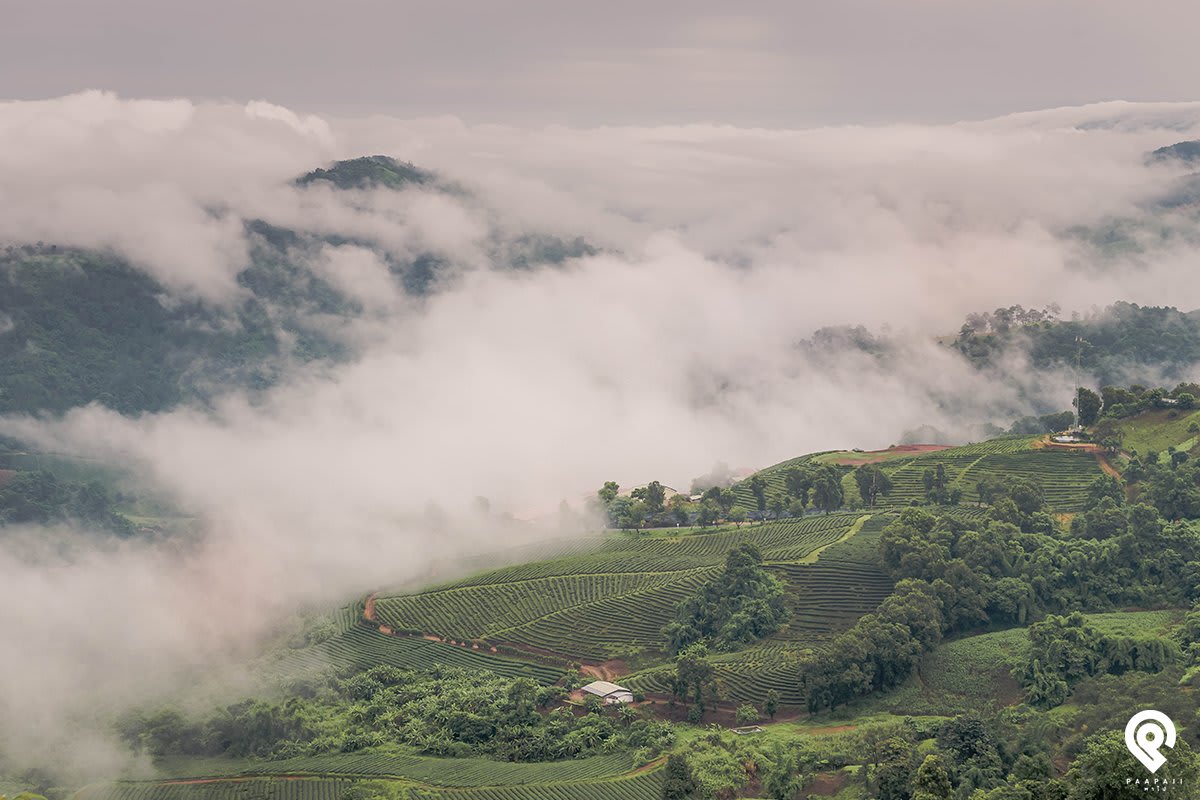
Mid-morning we walked among cool-season flowers with a thin layer of mist still around, then strolled through Santikhiri village before leaving.
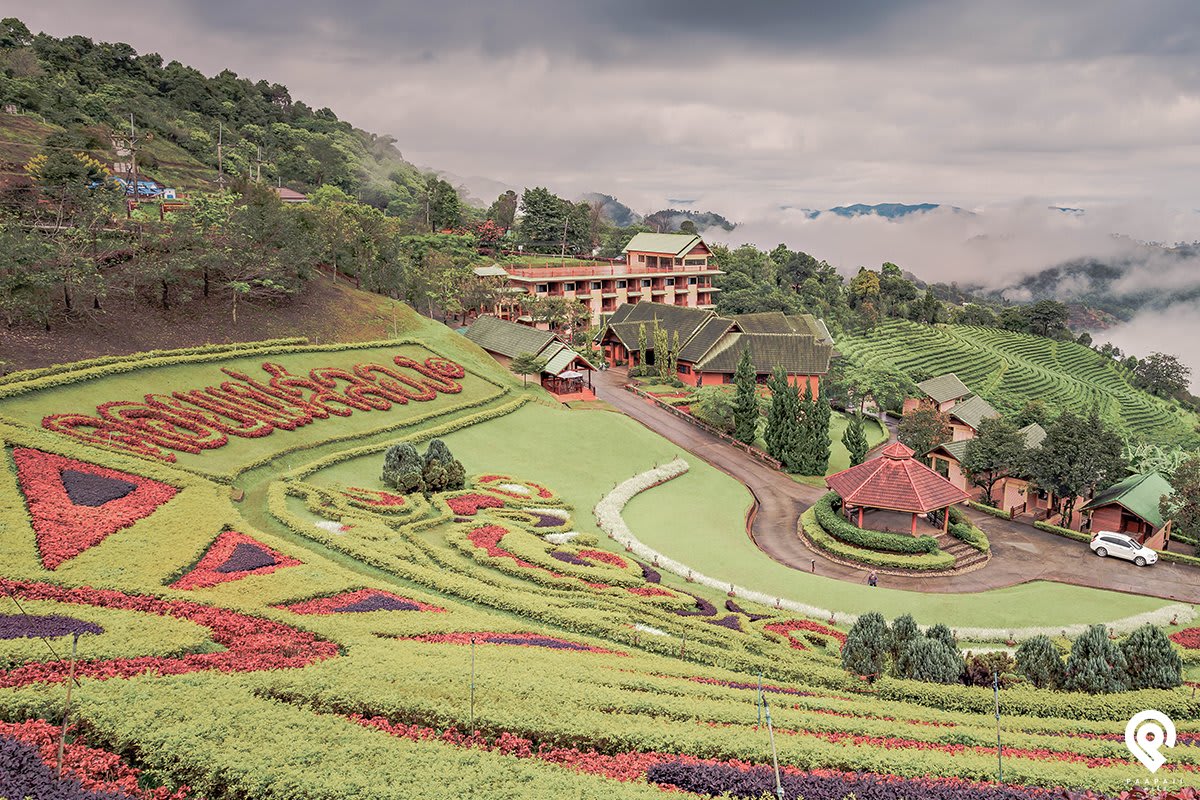
Before you go
The cool season, November to February, has the best weather and the most frequent mist. It is also when rooms fill up, so book early. Guides say December to February is the busiest.
The last stretch of road up is winding and steep, so drive in daylight. Bring a sweater and shoes with grip.
June to October is rainy season, and from March it gets hotter and hazier, like the rest of the north. The 2019 article said the area is cold all year, which does not match current guides.
Check opening times and fees on Google Maps or by phone before going, especially for Tea Plantation 101 and the museum.