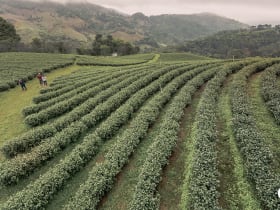

The original article was published around June 2018, about 8 years ago. Prices, roads and local conditions may have changed. This version updates what could be checked as of mid-November 2026 and says plainly where something could not be confirmed. (Photos from PaaPaii.com.)
Green season means the rainy season, roughly June to October, when forests, paddies and terraces are at their greenest. It is now the start of the cool season, so this is a guide for planning the next rainy season (from about June 2027), not a list to go to now.
At a glance
| Place | Province | Greenest |
|---|---|---|
| Ban Rak Thai | Mae Hong Son | Throughout the rainy season (forest and tea fields) |
| Ban Mae Klang Luang | Chiang Mai | Late rains, about Sept–Oct (unconfirmed) |
| Krachiao flower fields | Chaiyaphum | June–August; the peak differs each year |
| Doi Ang Khang | Chiang Mai | Throughout the rainy season, morning mist (unconfirmed) |
| Pua | Nan | About Aug–Sept (unconfirmed) |
| Ban Pa Bong Piang | Chiang Mai | Late August to mid-October |
| Pai | Mae Hong Son | Throughout the rainy season; paddies about Aug–Oct (unconfirmed) |
| Phu Thap Berk | Phetchabun | Throughout the rainy season, morning mist |
Timings come from several reports and blogs, not an official calendar. They shift each year with rainfall.
1. Ban Rak Thai, Mae Hong Son
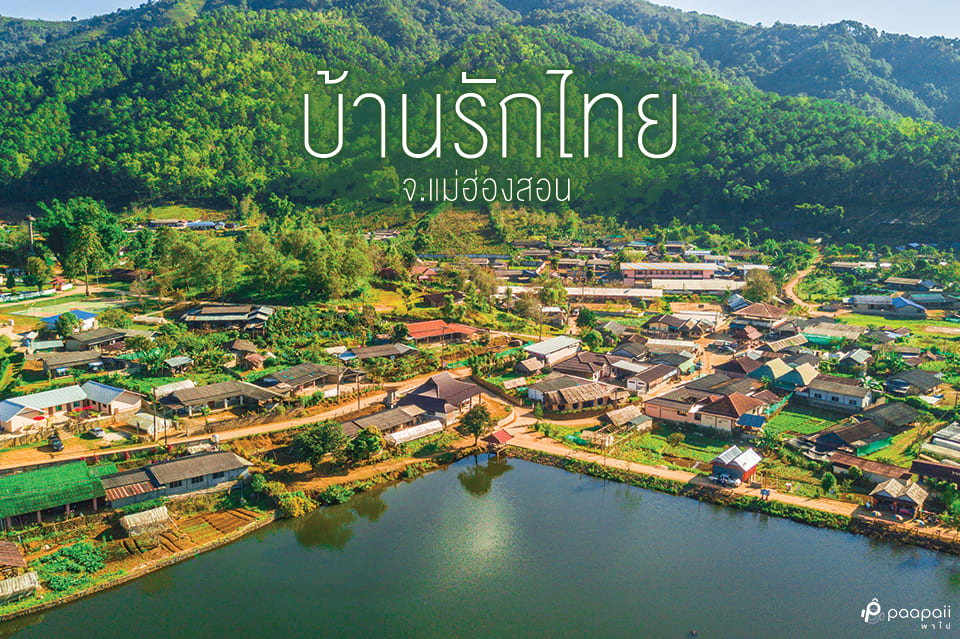
Ban Rak Thai is a village settled by Yunnanese Chinese, set in a valley with a small lake at its centre. Hills and tea plantations surround it. In the rainy season the trees are at their greenest and mornings are often misty. Mae Hong Son treats October to February as its main tourist season, so the rainy months are likely quieter. That may also mean some shops and rooms are not fully open, so call ahead. The road up is a curvy mountain road.
2. Ban Mae Klang Luang, Chiang Mai
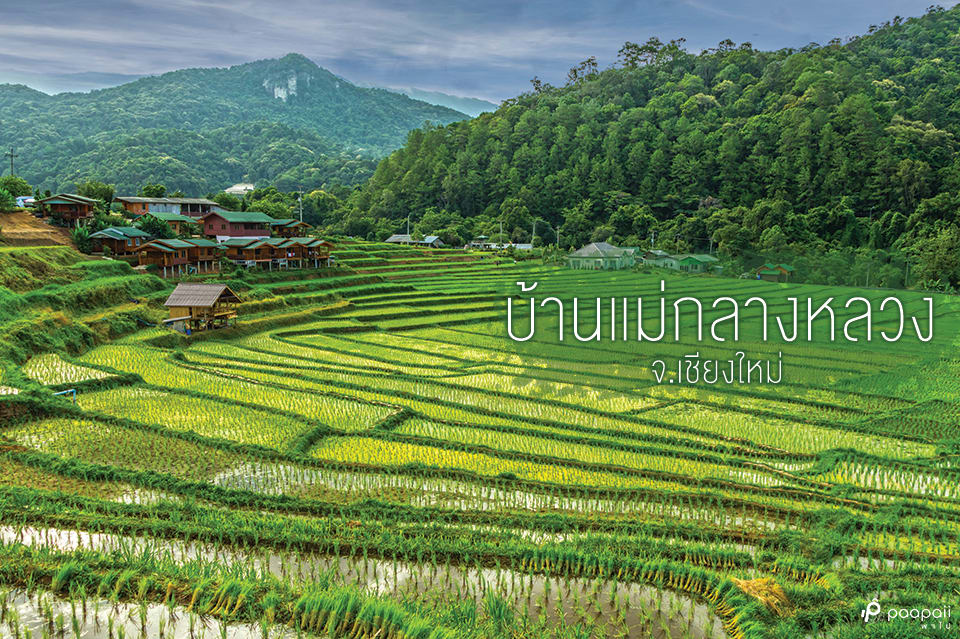
A Karen village surrounded by terraced paddies and forested hills, inside Doi Inthanon National Park, so a park entry fee applies. We could not confirm the current rate, so check before you go. The rice stays green into the late rains and early cool season, though some plots may start to yellow around October to November (unconfirmed). For green paddies, do not leave it much past September.
3. Krachiao flower fields, Chaiyaphum
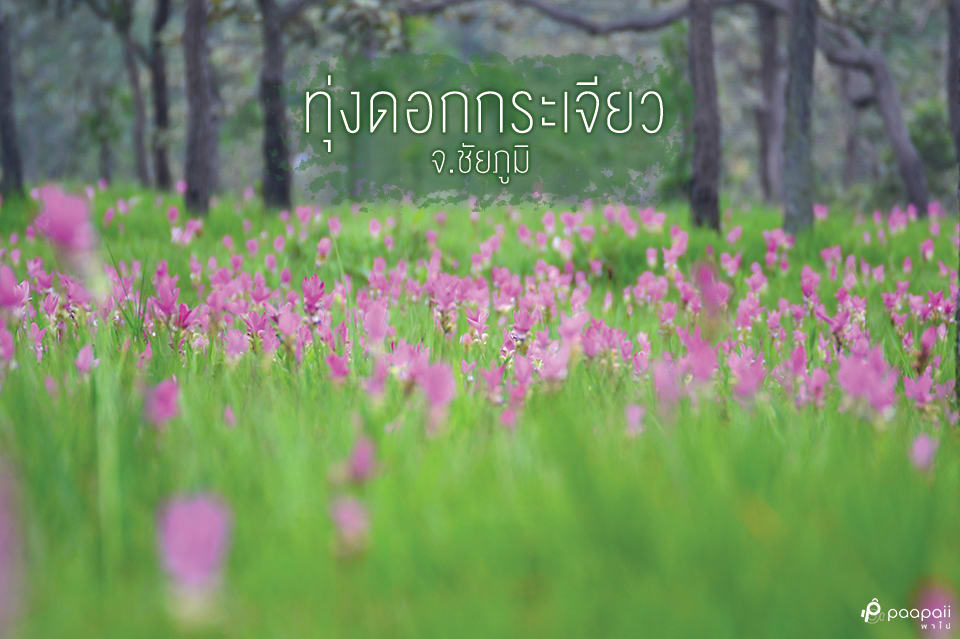
Krachiao (Siam tulip) blooms only in the rainy season. The main sites are Pa Hin Ngam National Park and Sai Thong National Park. The general window is mid-June to August, but it differs each year. In 2026, one forecast put the densest bloom in late June to early July, wilting from mid-July and mostly dry by August, and advised visiting from mid-June to mid-July. Growth was slow that year after an early-season dry spell. We could not confirm entry fees, field rules or booking, so check the parks' Facebook pages before you go.
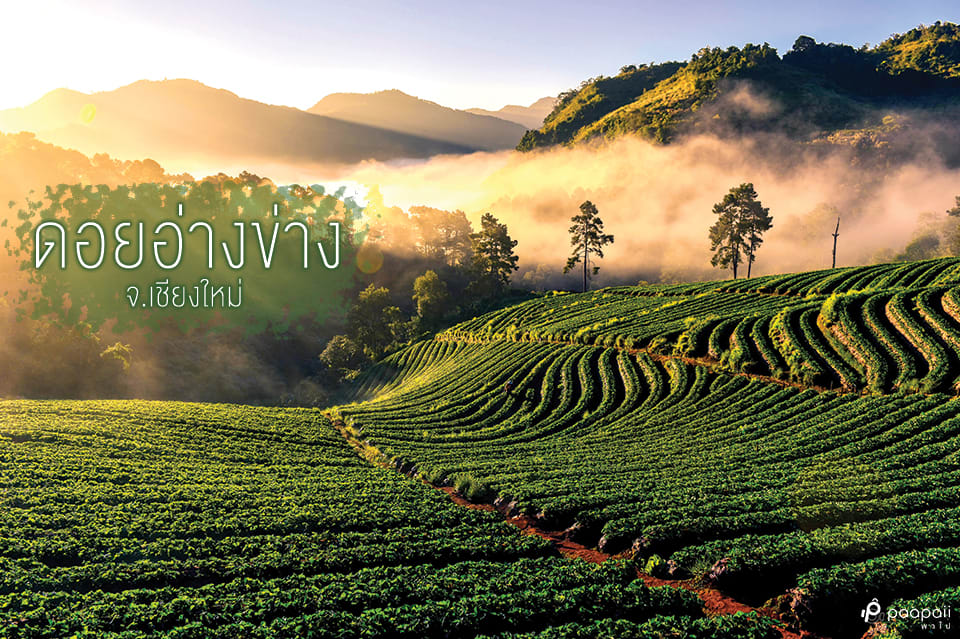
4. Doi Ang Khang, Chiang Mai
The original says it can be visited in any season, with tea, farm plots, cool-climate produce and morning mist. In the rainy season the green and the mist remain, but one source says the best time to visit is November to January, after the rains. The strawberry fields the original mentions may not be fruiting in the rainy months (unconfirmed). If you go in the rains, go for the views and mist rather than for picking fruit. Check opening hours and entry fees at the Royal Agricultural Station before you go.
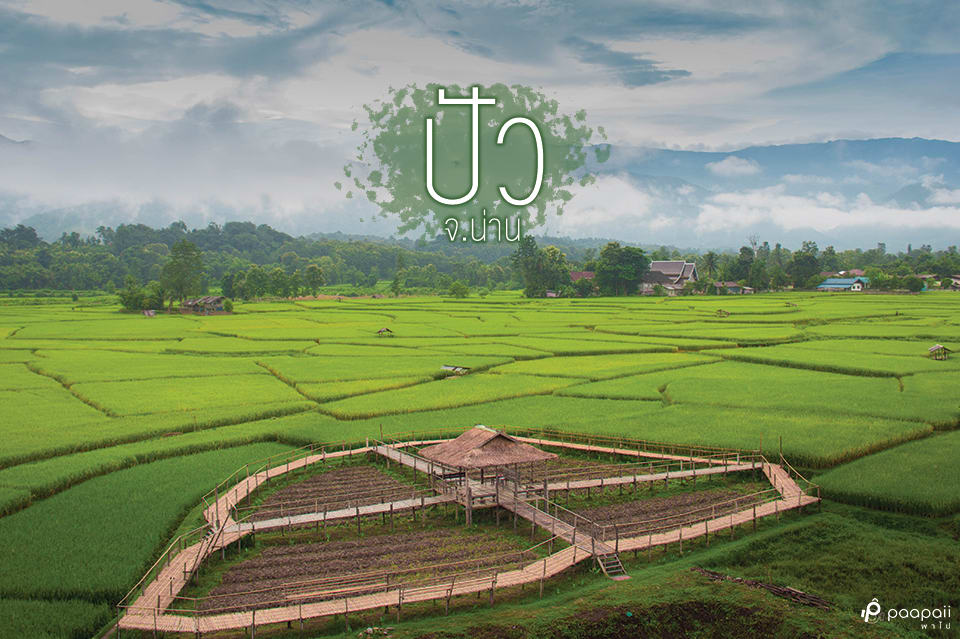
5. Pua, Nan
Pua district has wide paddy fields ringed by mountains, and a wooden walkway in the fields is a popular photo spot. The fields are green from planting until the rice is full height. Golden rice usually comes late in the year near harvest (unconfirmed, and we found no 2026 information). Landslides have been reported on the Pua to Doi Phu Kha road in some rainy periods (date unknown), so check the road before you go.
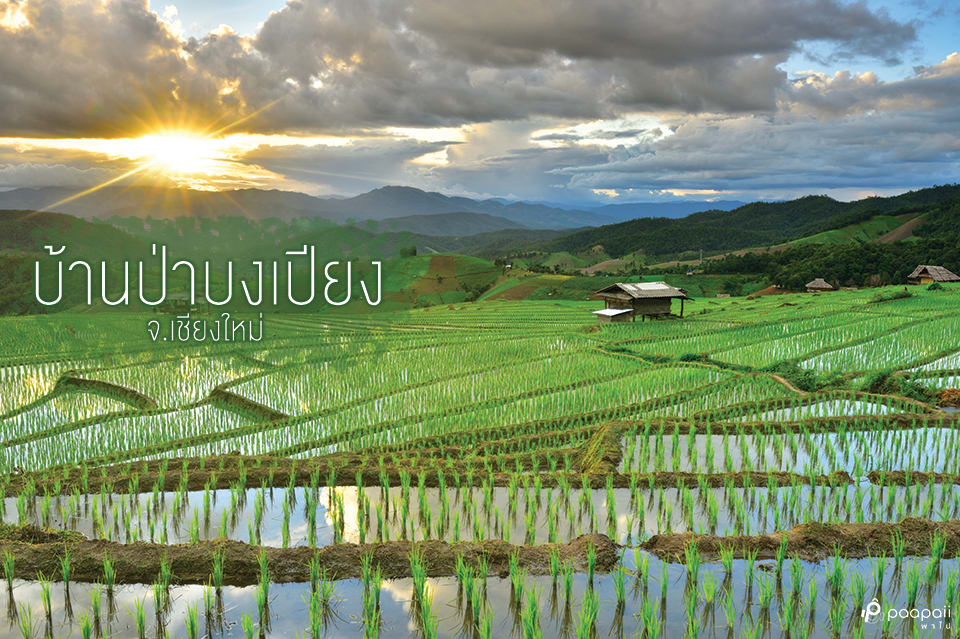
6. Ban Pa Bong Piang, Chiang Mai
A village in Mae Chaem district with terraces that change colour through the crop cycle. Several sources roughly agree: planting about July to late August (flooded terraces with young rice, as in this photo), fullest green late August to mid-October, and gold from mid-October to early November. So for green terraces, do not aim for June; target late August onward. Villagers offer overnight stays, and sources suggest staying overnight and booking ahead. Quoted prices conflict, so none are given here.
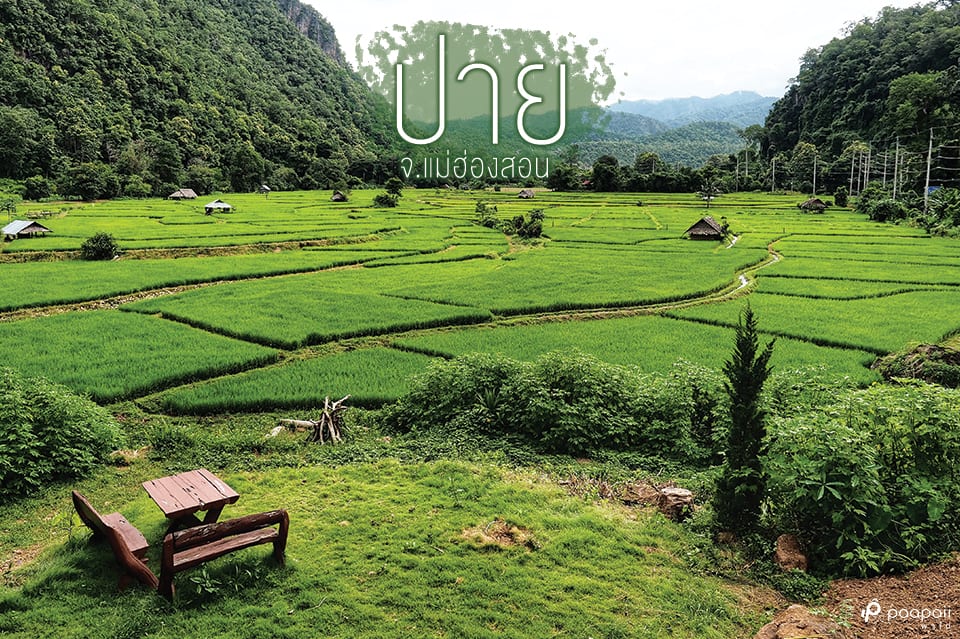
7. Pai, Mae Hong Son
Pai has paddies, waterfalls and surrounding communities. In the rains the waterfalls carry more water (one source) and the paddies are green about August to October (unconfirmed). TAT Mae Hong Son held a Rainy Charm event on Pai Walking Street on 3–5 July 2026, alongside the Pai Jazz and Blues Festival, a sign the rainy season is actively promoted here. The road into Pai is very curvy, so take extra care after heavy rain.
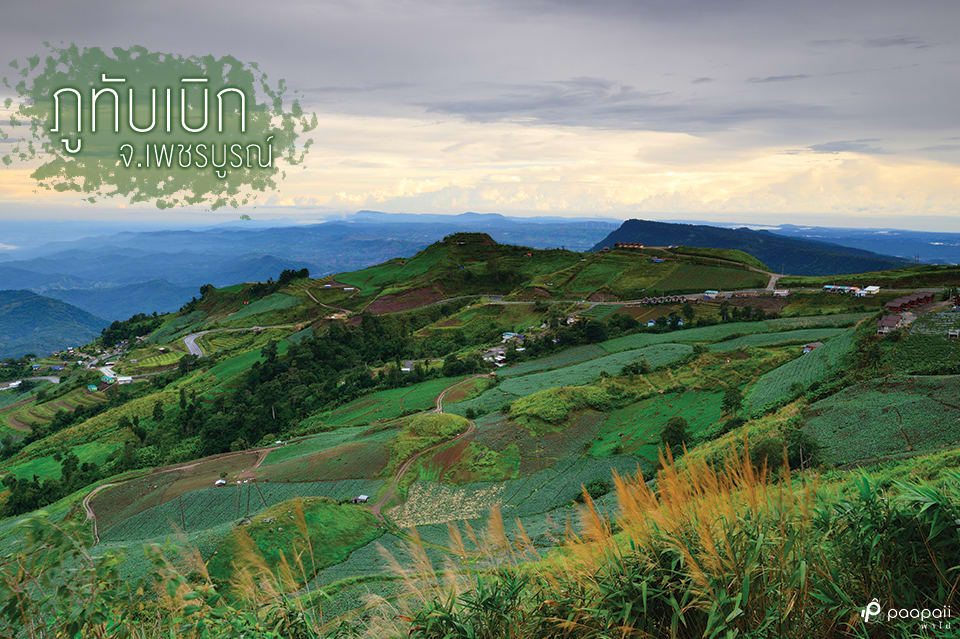
8. Phu Thap Berk, Phetchabun
A hilltop viewpoint in Lom Kao district. The original describes the winding mountain road and morning mist. In the rainy season the climb is wet and slippery, often with thick fog. Drive slowly, use headlights and keep your distance from the car ahead.
Before you go
Bring a rain jacket, a bag cover, non-slip shoes and spare clothes. Rain in the north often comes in short afternoon bursts, so start early for mist and morning light.
In 2026 there were reports of landslides and road closures at times in Mae Hong Son and Phetchabun. Check road status with the local highway office or provincial announcements before you leave, and do not park under steep banks.
Rainfall differs each year, so bloom and green windows move. Check news or park pages again before you travel. If you plan on the Krachiao fields in late June to July, book rooms early. Pai and Pa Bong Piang are also worth booking ahead.
Park fees and site-specific rules were not confirmed in this pass. Check with the authorities directly.