
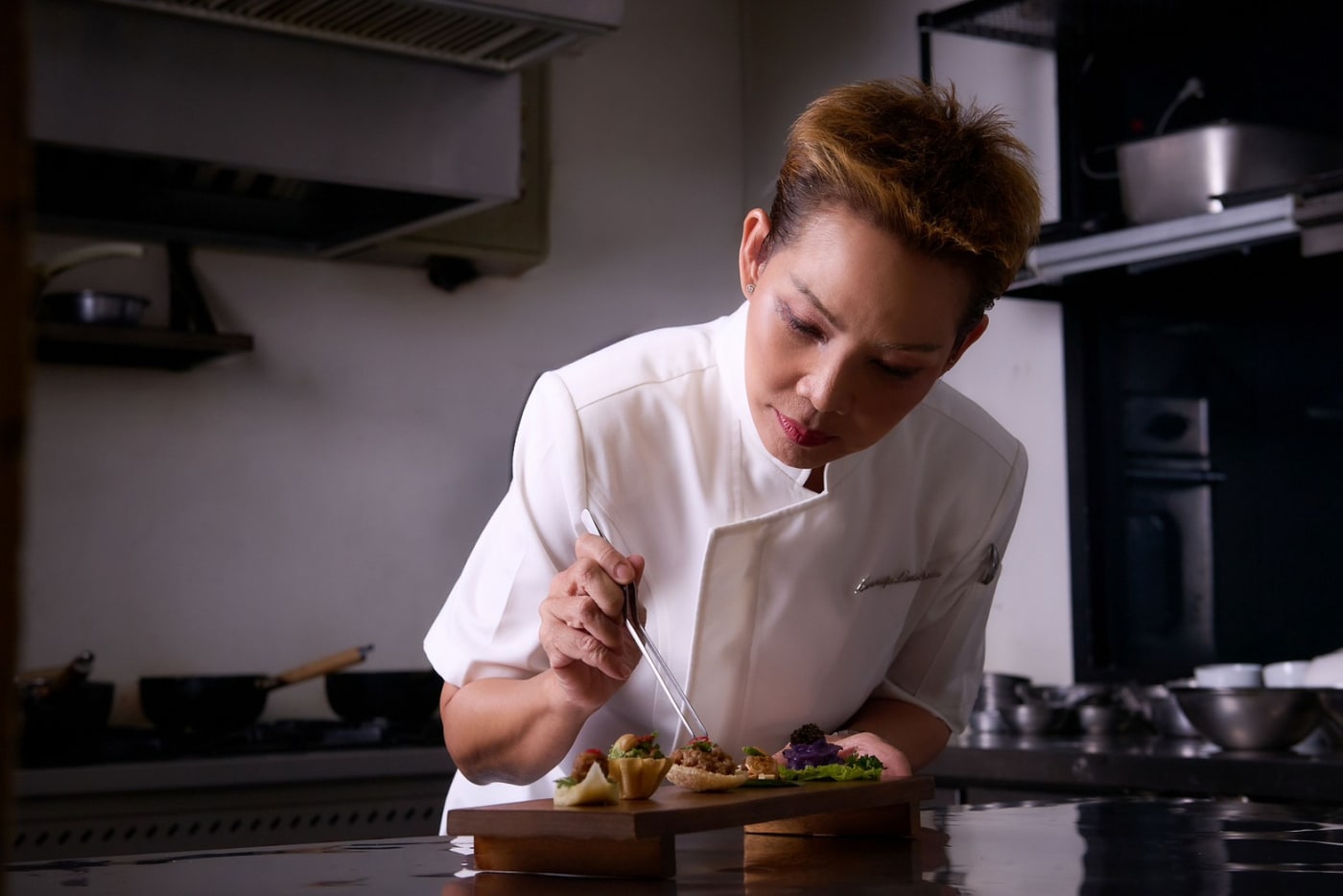
Kwantip – Samrub Thai Dining, on Soi Ari Samphan 6, sent out a press release on 12 October 2026 explaining what the restaurant is about: chef Pom, M.L. Kwantip Devakula, serving Thai food as a samrub, the way Thai families traditionally ate. This piece is based on that release and the restaurant's own website; we haven't eaten there yet.
What a samrub is, and why it isn't served in courses
A samrub puts many dishes on the table at once instead of sending them out one course at a time. You move between them so each dish lifts or cuts the others: spicy, sour, salty and sweet together, with salads, soups, stir-fries, curries and fried dishes keeping the textures changing to the end. Kwantip serves an individual samrub to each guest by default, so spice level, preferences and dietary needs can be set per person. The traditional shared format is available on request, with less room for individual changes.

Two family traditions: Devavesm Palace and Thung Song
Chef Pom cooks from recipes handed down in her family: Central Thai dishes from the Devavesm Palace kitchen through her grandmother, and Southern dishes from Thung Song, Nakhon Si Thammarat, through her mother. The restaurant's website describes it as four generations of culinary knowledge. Her youngest son, chef Air Kulapol Samsen, carries it on as the next generation.

Chef Pom says every Thai dish has a "rot ek", its defining flavour. Each household may season a dish differently, but that core has to stay, and she cooks the same flavours her grandmother and mother cooked for her.
Ingredients from anywhere, if you understand the core
The kitchen uses ingredients from around the world; the release mentions Japanese wagyu, amaebi, caviar and uni. Chef Pom's view is that Thai-ness doesn't depend on where an ingredient comes from but on understanding what makes a dish authentic. The restaurant also says it isn't trying to reinterpret Thai food through a Western fine-dining lens, and focuses on respecting the original recipes without shortcuts.

The menu follows the seasons and what's good at the time; the reservation page says it changes roughly every four months.
Before you book
• Open Friday to Sunday, lunch 11:00–15:30 and dinner 17:30–22:00. • Three sets: Classic Samrub and Signature Samrub (90-minute seating) and Royal Samrub (120 minutes). • Book through TableCheck. Deposits are THB 500 per guest for Classic and Signature and THB 1,000 for Royal, deducted from the bill; changes or cancellations need at least 5 days' notice. • Children taller than 110 cm or aged 5 and up count as adults; no baby seats. • Corkage: THB 700 for wine, THB 1,500 for spirits, per bottle. • Parking is limited; the restaurant suggests the BTS to Ari, then a short taxi ride. • If you have dietary restrictions, contact the restaurant before booking.
Set prices weren't listed in the release or on the booking page we checked; you'll see them when you book via kwantipbkk.com.
Our take
In our opinion (based on the release and the restaurant's photos, not a visit), the individual samrub is the smart part: it makes a traditional Thai spread easy to book for two, or for a table where not everyone eats spicy. When we go, we'll report back on the "rot ek" chef Pom talks about.
Sources: Kwantip press release (12 October 2026), kwantipbkk.com and the TableCheck reservation page · Images: Kwantip